Space tourism: the final frontier?
Space tourism is leading people to explore what has often been described as the final frontier. But is it? Couldn’t the vast fortunes required for such exploits be channelled downwards rather than upwards?
Having graduated in 1974 from the Institut d'Études Politiques in Paris, Thierry Girard chose to follow an unusual career path. In 1976, he took up photography and dedicated himself to the artistic documentary genre.
12/11/2012
On 04/29/2013
By
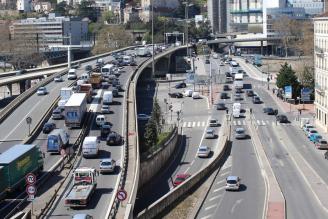
This Meeting saught to question the image of peri-urban areas as unlivable unbearable and without qualities or urbanness. Researchers, professionals and artists defended their views of the different lifestyles these areas give birth to and potential they offer in terms of sustainable mobility.
04/16/2013
Last modification by
Claire Nicolas
Mobile methods produce insight by moving physically, virtually, or analytically with research subjects. They involve qualitative, quantitative, visual and experimental forms of inquiry, and follow material and social phenomena (people, capital, objects, images and information). Combining investigative and inventive modes of research, mobile methods can inform innovation.
The term ‘nomadism’ covers many categories of people who are mobile by nature: the Roma community, lorry drivers, fairground people, seasonal workers etc… However, over the past few decades, a new category has been added to the list: neo-nomads or “travellers”.
Aluminium seduced us with its promise of rapid mobility, speed and lightness, as the ingredient of a new modern age. But it also has a dark side, Mimi Sheller says.